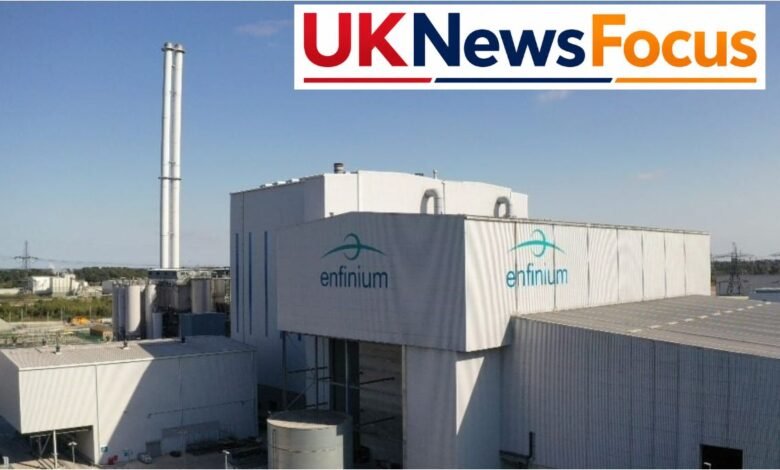
Have you ever wondered what happens to the rubbish you throw away every day? Does it simply disappear once the bin truck leaves your street? The truth is far more interesting. Across the UK, companies are working to transform waste into something useful instead of letting it pile up in landfills. One company leading this change is Enfinium.
As concerns about climate change continue to grow, many people are asking the same question: how can we reduce waste while still meeting energy demands? Enfinium has become part of that answer. The company focuses on converting unrecyclable waste into energy that can power homes and businesses across the country.
In this article, we will explore what Enfinium does, how it operates, and why it matters in today’s world. We will also answer some common questions people ask about the company and its role in the waste-to-energy sector.
A New Way to Think About Waste
Most people still think of waste as something useless. However, modern energy-from-waste technology has changed that idea completely. Instead of burying rubbish in landfill sites, companies like Enfinium use advanced systems to recover energy from materials that cannot be recycled.
This process helps reduce landfill use while also producing electricity. As a result, communities gain cleaner waste management solutions and more sustainable energy sources. Many environmental experts now see energy-from-waste plants as a key part of the transition toward greener infrastructure.
For readers who follow developments in the UK industry and sustainability trends, platforms like UKNewsFocus often highlight how businesses are adapting to environmental challenges across the country.
What does Enfinium do?
Enfinium operates energy-from-waste facilities throughout the UK. The company takes household and commercial waste that cannot be recycled and converts it into electricity.
The process begins when waste arrives at one of Enfinium’s facilities. The material is then burnt at high temperatures in specially designed combustion chambers. Heat produced during this process generates steam, which drives turbines to create electricity.
This energy is then supplied to the national grid. Because of this, thousands of homes and businesses receive power generated from waste that would otherwise end up in landfill sites.
The company also focuses heavily on reducing environmental impact. Its facilities use advanced filtration systems to control emissions and meet strict environmental regulations. This allows Enfinium to operate while supporting the UK’s broader sustainability goals.
Why Energy-From-Waste Matters
Landfills have long been one of the biggest environmental problems in many countries. As waste breaks down underground, it releases methane, which is a powerful greenhouse gas. At the same time, landfill sites require huge amounts of land and can create long-term environmental risks.
Energy-from-waste facilities offer a practical alternative. They reduce the amount of rubbish sent to landfill while recovering useful energy from discarded materials. This creates a more circular system where waste becomes a resource instead of a burden.
Enfinium plays a major role in this sector within the UK. Its facilities process large volumes of waste every year and help support national energy needs at the same time.
The Importance of Enfinium Ferrybridge
One of the company’s best-known facilities is Enfinium Ferrybridge. Located in West Yorkshire, this site is considered one of the largest energy-from-waste plants in the UK.
The Ferrybridge facility handles hundreds of thousands of tonnes of waste annually. It converts this material into electricity capable of powering many homes across the region. Because of its scale, the site has become an important part of the UK’s waste management and energy infrastructure.
The facility also demonstrates how former industrial locations can be transformed into modern environmental assets. Ferrybridge was previously associated with coal-fired power generation. Today, the site supports cleaner energy production through waste recovery technology.
Leadership and Vision
Many people also ask about the leadership behind Enfinium. The company has developed a reputation for innovation and operational efficiency in the waste-to-energy industry.
The CEO of Enfinium is Mike Maudsley. Under his leadership, the company has focused on expanding sustainable waste solutions while supporting the UK’s move toward lower-carbon energy systems.
Strong leadership matters in industries facing rapid environmental and technological change. Companies must balance business growth with environmental responsibility. Enfinium continues working toward that balance by investing in infrastructure and cleaner technologies.
Enfinium and the Future of Sustainability
The global push toward sustainability continues to reshape industries everywhere. Governments, businesses, and consumers are all looking for ways to reduce environmental harm without sacrificing economic growth.
Enfinium fits into this changing landscape by addressing two major problems at once: waste disposal and energy production. Instead of treating waste as a dead end, the company views it as a source of value.
In the coming years, energy-from-waste technology could become even more important. As landfill restrictions increase, countries may rely more heavily on alternative waste management systems. At the same time, rising energy demand creates new opportunities for facilities that can generate electricity from existing resources.
Enfinium is also exploring ways to improve carbon reduction efforts through advanced technologies. Many experts believe carbon capture systems could eventually become part of future energy-from-waste operations. If successful, this would reduce emissions even further and improve environmental performance.
Who Are Enfinium’s Main Competitors?
The waste-to-energy market includes several major companies across the UK and Europe. Some of Enfinium’s main competitors include Veolia, Viridor, and SUEZ.
These businesses also operate recycling and energy-from-waste facilities. Competition within the sector often focuses on efficiency, environmental performance, and technological innovation.
Even though these companies compete, they also contribute to the same broader goal: reducing landfill dependence and supporting cleaner energy systems.
Public Opinion and Environmental Debate
Despite its benefits, energy-from-waste technology still sparks debate. Some environmental groups argue that greater emphasis should remain on recycling and waste reduction rather than incineration.
Others believe energy-from-waste facilities provide a necessary solution for materials that cannot realistically be recycled. Without these plants, large amounts of rubbish would still end up in landfill sites.
Enfinium and similar companies continue working to improve efficiency and reduce emissions in response to these concerns. As technology evolves, the industry may become cleaner and more sustainable over time.
Global Waste Challenges
Waste management is not only a UK issue. Countries around the world struggle with growing waste production and limited landfill space. Some nations generate especially high levels of nuclear waste due to extensive nuclear energy programmes.
The United States is widely considered one of the countries with the largest amounts of nuclear waste because of its long history of nuclear power generation and defence-related nuclear activity. Managing radioactive waste remains one of the world’s most complex environmental challenges.
Although Enfinium does not handle nuclear waste, its work still highlights the importance of finding smarter ways to manage all forms of waste before they become long-term environmental threats.
Final Thoughts
Enfinium represents a growing shift in how society views waste. Instead of seeing rubbish as something to hide underground, the company transforms it into a source of energy that supports homes, businesses and communities.
As environmental concerns continue rising, innovative waste solutions will become increasingly important. Energy-from-waste technology may not solve every problem, but it offers a practical step toward cleaner waste management and more sustainable energy production.
The future of sustainability will depend on companies, governments and individuals working together. Businesses like Enfinium show that even everyday rubbish can play a role in creating a cleaner future.
To stay updated on environmental developments and UK business trends, readers can also explore more stories at UKNewsFocus.