Have you ever arrived in a city and instantly wondered where everything connects? Where do the buses meet the trains? Where do commuters rush every morning while tourists pause to study maps and sip coffee? If you visit Edinburgh or Newcastle, you will quickly hear one name again and again.
The Haymarket bus station area has become far more than a simple transport stop. It acts as a gateway for workers, students, tourists and residents every single day. People pass through it without much thought, yet the station quietly shapes the rhythm of the city around it.
What makes Haymarket so important? Why do so many travellers rely on it daily? And what should first-time visitors know before arriving there?
This guide explores the history, atmosphere, transport links, and daily experience of Haymarket bus station in a simple, friendly way.
A Quick Introduction to Haymarket
Haymarket Station stands as one of the busiest transport hubs in Scotland. The station area combines rail, tram, taxi and bus services in one highly connected location. It sits west of Edinburgh city centre and gives travellers fast access to major attractions, business districts and nearby neighbourhoods.
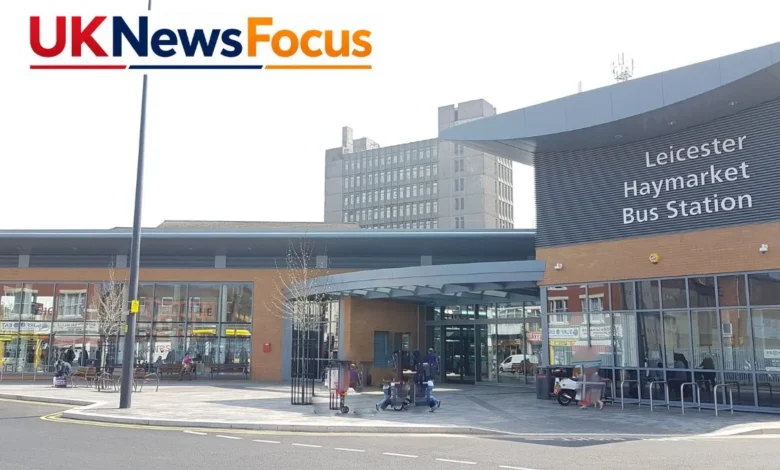
Meanwhile, Haymarket Bus Station serves Newcastle’s city centre and operates as a major regional bus hub. It supports local and long-distance travel across Northeast England.
Although people sometimes confuse the two locations, both share one thing in common. They function as vital transport gateways that keep city life moving.
Why Travellers Choose Haymarket
Many travellers actually prefer Haymarket over larger stations. Why? The answer is simple.
Haymarket feels easier to navigate. It is busy but not overwhelming. Travellers can move between buses, trains and trams without walking long distances. That convenience matters, especially after a long journey.
Visitors arriving in Edinburgh often discover that Haymarket gives faster access to the West End hotels, conference venues and nearby attractions than the larger Waverley station.
Commuters also appreciate the station because services run frequently throughout the day. Whether someone travels for work, education or tourism, Haymarket offers reliable connections.
Even online discussions regularly mention how convenient the station feels compared to other transport hubs. Some Reddit users noted that Haymarket can actually save time because it is smaller and easier to exit.
The History Behind Haymarket
Every busy station has a story, and Haymarket is no exception.
The original railway station in Edinburgh opened in the early 1840s. At that time, rail travel across Scotland was expanding rapidly. Haymarket initially served as the terminus for the Edinburgh and Glasgow Railway before routes extended further into the capital.
As the city grew, the station evolved with it. Platforms expanded, facilities improved, and transport links multiplied. Large redevelopment projects between 2010 and 2014 modernised the station while preserving much of its historic character.
Today, the station blends old and new architecture beautifully. Historic stone structures stand beside glass-roof modern waiting areas and updated passenger facilities.
That balance gives Haymarket a distinctive atmosphere. It feels modern without losing its identity.
The layout makes travel easier.
One reason Haymarket works so well is its straightforward design.
Travellers entering the station quickly notice clear signs and organised platforms. The bus connections sit nearby, while tram access remains simple and direct. This layout reduces confusion, especially during rush hour.
The Newcastle Haymarket bus station also uses a structured stand system with electronic displays, seating areas and automatic access doors for passengers.
In Edinburgh, passengers benefit from step-free access, lifts, ticket machines and real-time information screens.
That may sound ordinary, yet small details matter when people travel under pressure. Nobody wants to sprint across multiple buildings searching for the correct platform.
Haymarket keeps things practical.
A Hub for Different Types of Travellers
Walk through Haymarket on any weekday morning, and you will notice something interesting. Everyone seems to be heading somewhere different.
Office workers hurry toward the financial district. Students carry backpacks and coffee cups. Tourists roll suitcases toward nearby hotels. Sports fans pass through on their way to Murrayfield Stadium.
This variety creates energy inside the station.
Unlike airports, which often feel detached from local life, Haymarket reflects the city itself. You can hear different accents, see different travel styles and watch Edinburgh wake up around you.
That human movement gives the station personality.
Connections That Matter
Transport hubs succeed because of connectivity, and Haymarket performs strongly in that area.
The Edinburgh station links passengers to Glasgow, Fife, Aberdeen, Inverness, Carlisle and London services. Trams connect directly to Edinburgh Airport and the city centre. Local buses also stop nearby.
Meanwhile, Newcastle’s Haymarket bus station supports routes across Northumberland and surrounding areas through operators such as Arriva North East and Go North East.
This level of integration saves travellers time. Instead of switching between disconnected stations, passengers can complete most transfers in one place.
That convenience explains why Haymarket remains busy throughout the year.
Facilities Inside the Station
Modern travellers expect more than a platform and timetable.
Fortunately, Haymarket includes many practical services. Travellers can access ticket machines, seating areas, toilets, Wi-Fi, refreshment outlets and customer assistance desks.
Accessibility also receives strong attention. Step-free access lifts and assistance services help passengers with mobility needs travel more comfortably.
The Newcastle bus station similarly includes electronic information boards, seating, CCTV coverage and sheltered waiting spaces.
These features may seem routine, yet they shape the entire travel experience.
A clean, organised station helps reduce stress, especially during delays or busy commuting hours.
The Area Around Haymarket
Haymarket itself offers more than transport.
The surrounding neighbourhood includes cafés, restaurants, pubs, hotels and small shops. Travellers can easily grab breakfast before a train or enjoy dinner after arriving in the city.
Edinburgh’s Haymarket area also sits close to attractions such as the Scottish National Gallery of Modern Art, Murrayfield Stadium and the Edinburgh International Conference Centre.
Because of this location, many visitors choose hotels near Haymarket instead of staying directly in the crowded Old Town.
The area feels slightly calmer while remaining connected to central Edinburgh.
Rush Hour at Haymarket
Every station changes personality during rush hour.
At Haymarket, mornings move fast. Trains arrive continuously while buses and trams unload waves of commuters. Coffee shops fill quickly, and platform announcements echo across the concourse.
Despite the crowds, the station usually maintains a steady flow because passengers can move efficiently between services.
Of course, no transport hub operates perfectly every day. Online discussions occasionally mention traffic congestion or temporary diversions near the station area.
Still, most travellers describe Haymarket as dependable compared with many urban transport centres.
That reliability matters more than flashy design.
Tips for First-Time Visitors
If you plan to use Haymarket, here are a few simple tips that can improve your experience.
Arrive Early During Peak Hours
Morning and evening rush periods become crowded quickly. Give yourself extra time, especially if you need to find a bus connection.
Use real-time information screens.
Electronic displays update constantly and help travellers avoid confusion.
Explore Nearby Streets
Haymarket sits near several quieter streets filled with cafés and local restaurants. Walking just a few minutes away can completely change the atmosphere.
Consider Haymarket instead of larger stations.
Some travellers heading into Edinburgh actually prefer arriving at Haymarket because it feels easier to navigate than Waverley.
Haymarket and Modern City Life
Transport stations often reveal how a city functions.
Haymarket shows Edinburgh at work. It reflects movement efficiency and connection. People from different backgrounds pass through the station every hour, yet everything continues flowing.
That constant movement creates a strange sense of familiarity. Regular commuters recognise coffee vendors, station staff and even fellow passengers they never formally meet.
In many ways, Haymarket feels less like a station and more like part of the city’s daily heartbeat.
For readers interested in transport updates, travel stories and regional developments, you can also explore UKNewsFocus for broader coverage across the UK.
The Future of Haymarket
Cities never stop changing, and Haymarket continues evolving alongside them.
Transport planners constantly look for ways to improve passenger flow sustainability and public transport efficiency. Discussions about road layouts, bus reliability and cycling access appear regularly online and in local planning conversations.
As Edinburgh grows, Haymarket will likely become even more important.
The station already supports tourism, business travel and daily commuting on a large scale. Future upgrades may focus on cleaner transport systems, smarter digital services, and improved pedestrian access.
Yet despite modernisation, the station will probably keep the practical character that travellers appreciate today.
Final Thoughts
So what makes Haymarket bus station special?
It is not simply the architecture or the transport links. Many stations offer those things. What truly stands out is the balance between efficiency and atmosphere.
Haymarket works hard every day without trying to impress people. Travellers arrive, leave, connect and continue their journeys almost effortlessly. That simplicity creates trust.
Whether you visit Edinburgh for the first time, commute daily through Newcastle or pass through for a quick connection, Haymarket leaves an impression because it feels alive.
And perhaps that is the real purpose of a great transport hub. Not just moving people from one place to another. But quietly connecting the entire city.