Have you ever wondered what makes a hospital more than a place filled with doctors and medical equipment? Why do some hospitals become deeply connected to the people they serve? What happens behind those doors every day besides appointments and treatments?
Most people think about hospitals only when they need one. Yet hospitals quietly shape communities every single day. They provide support during emergencies. They help families through emotional moments. They guide patients during recovery and offer reassurance during uncertain times.
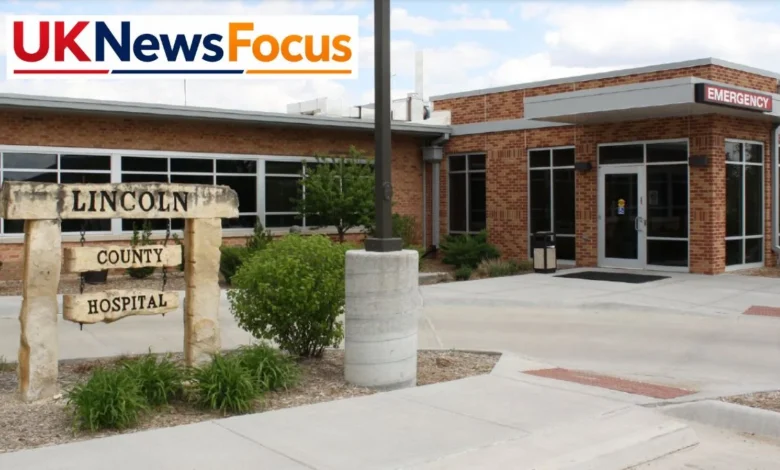
Lincoln County Hospital represents much more than a healthcare facility. It stands as an important place where people receive care and where medical professionals work to improve lives. Hospitals like this become part of everyday life, even for people who may not notice their impact immediately.
For readers who enjoy healthcare stories and community updates alongside broader UK topics, you can also explore UKNewsFocus for additional articles and features.
What Is Lincoln County Hospital?
Lincoln County Hospital serves as a healthcare centre that provides medical services across different areas of patient care. Modern hospitals no longer focus only on emergency treatment. They now support people through many stages of health and recovery.
Patients visit hospitals for many reasons. Some require urgent treatment, while others need routine examinations or long-term support. Medical professionals also help individuals manage conditions that need ongoing care.
Hospitals work as complete systems where different departments operate together. Doctors, nurses, specialists and support teams contribute to creating a smooth experience for patients.
Lincoln County Hospital continues to serve individuals and families who rely on healthcare services throughout the year.
Why Hospitals Matter More Than People Realise
Many people rarely think about healthcare facilities during normal daily routines. Then, suddenly, a medical issue appears, and hospitals become incredibly important.
Communities depend on hospitals because they provide security and confidence. Parents feel reassured knowing medical support exists nearby. Older adults often depend on healthcare services for regular care. Families facing unexpected medical situations find guidance and treatment.
Hospitals also influence communities in other ways.
They create employment opportunities and support local economies. Healthcare institutions often hire people from different backgrounds and skill levels.
As a result, hospitals become important community foundations rather than simple treatment centres.
How Healthcare Has Changed Over Time
Healthcare today looks very different from previous generations.
Years ago, hospitals operated with fewer resources and limited technology. Doctors and nurses often relied heavily on experience and observation because advanced tools were unavailable.
Over time, healthcare systems have experienced significant progress.
Medical research introduced new treatment options. Better training improved patient care standards. Equipment became more advanced, and diagnostic methods improved.
Today, hospitals use technologies that allow doctors to understand medical conditions faster and with greater accuracy.
Lincoln County Hospital has likely evolved through these same healthcare changes as medical systems continued advancing across the healthcare industry.
Emergency Departments and Immediate Care
Emergency services remain among the busiest areas inside hospitals.
Patients arrive for many different reasons. Some experience sudden injuries, while others face serious health conditions requiring immediate attention.
Emergency teams work in fast-moving environments where quick decisions matter.
Doctors, nurses and healthcare staff often coordinate with one another within moments of a patient’s arrival.
Because emergencies can happen without warning, hospitals must stay prepared every hour of the day.
Diagnostic Services Help Find Answers
One important step in medical care involves understanding exactly what is happening inside the body.
Diagnostic departments help medical teams gather information through tests and examinations.
These services may include:
- Blood testing
- Medical scans
- Imaging procedures
- Laboratory analysis
- Screening services
Doctors use these results to create treatment plans that fit each patient’s specific situation.
Without accurate diagnostic information, healthcare providers would face greater challenges when making decisions.
Surgical Care Continues to Advance
Surgical treatment has changed significantly over the years.
Earlier procedures often involved longer recovery periods and more difficult experiences for patients. However, medical advances have improved many aspects of surgery.
Modern techniques may reduce recovery time and help patients return to normal activities sooner.
Hospitals continue introducing updated methods that focus on safety and improved patient experiences.
Medical teams also monitor patients before and after procedures to support recovery.
Outpatient Services Bring Greater Convenience
Not every health concern requires an overnight stay.
Outpatient departments allow people to receive consultations, treatments and follow-up appointments while continuing their normal routines.
Many patients appreciate this approach because it saves time and offers flexibility.
Healthcare systems increasingly recognise the importance of making medical care more convenient and accessible.
Because of this, outpatient services continue expanding across many hospitals.
The People Behind Every Hospital Experience
Most people first imagine doctors and nurses when discussing hospitals.
They certainly play important roles. Yet hospitals rely on much larger teams working together every day.
Reception staff welcome patients and answer questions. Pharmacists manage medications. Technicians operate specialised equipment. Cleaning professionals maintain safe environments. Administrators help organise operations.
Every role supports patient care in different ways.
Without teamwork, hospitals could not function effectively.
Patients often remember these interactions because small acts of kindness can create lasting impressions.
Technology Is Reshaping Modern Healthcare
Technology continues to change healthcare in remarkable ways.
Hospitals increasingly use digital systems that improve communication and organisation.
Medical professionals can often access patient information faster than before. Diagnostic tools provide detailed images and results. Communication systems help departments work together more efficiently.
Technology has also improved treatment planning.
Doctors can sometimes identify medical issues earlier, which creates opportunities for quicker intervention.
As healthcare systems continue evolving, innovations will likely appear in the future.
Patient Comfort Has Become a Priority
Healthcare providers understand something important today.
Treatment alone does not always define a patient’s experience.
Many people feel anxious when entering hospitals. They may worry about appointments, results or procedures.
Because of this, hospitals increasingly focus on patient comfort and communication.
Staff often explain procedures clearly and answer questions directly. Waiting environments may become more welcoming. Support services can help patients and families feel informed.
These improvements often reduce stress and create better experiences.
Challenges Facing Hospitals Today
Even strong healthcare systems encounter challenges.
Growing populations create increased demand for medical services. Staffing pressures can affect healthcare operations. Financial concerns sometimes influence available resources.
Hospitals must also keep pace with medical innovation and changing expectations.
Balancing these responsibilities requires careful planning and ongoing effort.
Despite these challenges, healthcare teams continue working toward improved patient care and stronger systems.
Community Relationships Create Stronger Healthcare
Hospitals and communities often work together.
Healthcare organisations regularly support awareness campaigns and educational programmes.
These activities may encourage healthier habits and preventive care.
Examples often include:
- Nutrition education
- Health screenings
- Fitness awareness
- Public health information
- Wellness initiatives
Strong relationships between hospitals and communities often improve long-term health outcomes.
People benefit when healthcare extends beyond hospital walls.
Looking Ahead to the Future of Healthcare
Healthcare continues moving forward at an impressive pace.
Research introduces new possibilities every year. Artificial intelligence increasingly supports healthcare systems. Digital communication tools expand access to medical guidance.
Telemedicine has also created new opportunities for patients.
Many people can now connect with healthcare providers without travelling long distances.
Future hospitals may become even more connected and personalised.
Lincoln County Hospital will likely continue adapting as healthcare technology and patient expectations evolve.
Final Thoughts
Lincoln County Hospital represents something larger than a healthcare building. It serves as part of a community’s support system and provides care during important moments in people’s lives.
Hospitals witness joy and relief. They also stand beside patients during difficult experiences. Behind every treatment room and hallway are professionals working to help others.
When people think about healthcare, they often focus on medicine or technology first.
Yet the most meaningful part of healthcare may still be the human connection that exists between patients and those who care for them.