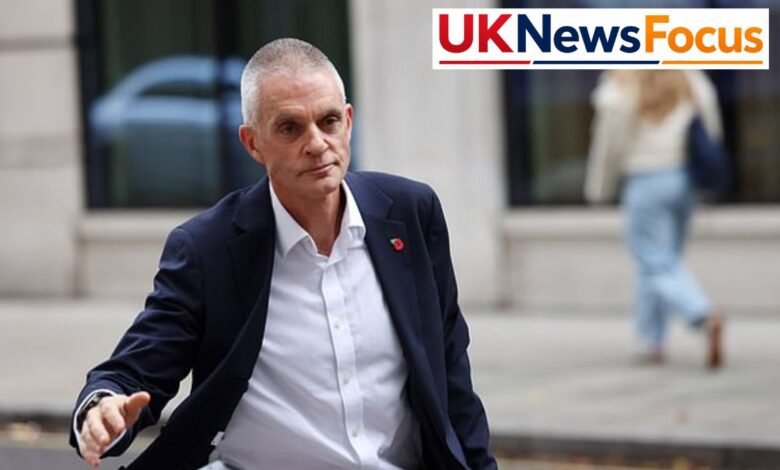
Who really keeps one of the world’s most influential broadcasters moving? What does it take to guide a media organisation through constant change while millions of people watch every move? Behind every headline and every difficult decision stands a person making choices that shape public conversations. For many people, that person is Tim Davie.
Some leaders prefer to stay out of sight. Others become part of the story itself. Tim Davie sits somewhere in the middle. He built his career through business strategy and media leadership rather than celebrity status. Yet his role placed him at the centre of some of the biggest discussions in British broadcasting.
His journey also raises interesting questions. How does someone move from marketing roles into one of the most important jobs in media? What skills matter most when leading an institution that reaches millions of homes every day?
This article explores Tim Davie’s career path, along with his leadership style and the impact he made on the media world. Tim Davie became the BBC’s director-general in 2020 after holding several major positions within the organisation. Before that role, he worked in business and marketing leadership positions at large companies, including PepsiCo.
Early Life and Educational Background
Every career starts somewhere. Tim Davie’s path began long before he entered the media world. Born in London in 1967, Tim Davie spent his early years building the academic foundation that would later support his professional growth. He attended Whitgift School and later studied English at Selwyn College, Cambridge.
Many people assume media executives always study journalism or broadcasting. Tim Davie’s route looked different. He pursued English studies and then moved into business and marketing roles.
That choice may have shaped the way he approached leadership later in life. Studying language and communication often teaches people how stories connect with audiences. Those skills matter in media as much as they matter in business. His education gave him a starting point. However, real career development was still ahead.
The Corporate Years Before the BBC
Success often comes from unexpected turns. Before joining the BBC, Tim Davie worked in the corporate world. He started at Procter & Gamble and later joined PepsiCo, where he moved into senior marketing positions.
Working in large global companies brings challenges that teach important lessons. Leaders need to understand audiences. They need to understand branding. They also need to manage large teams while making decisions under pressure.
Those experiences prepared him for future responsibilities. At PepsiCo, he eventually became vice president of marketing. This role gave him practical experience in strategy and management.
At that stage, very few people would have predicted a future leading Britain’s public broadcaster. Still, careers rarely follow straight lines. Sometimes one opportunity changes everything.
Entering the BBC
Tim Davie joined the BBC in 2005 as director of marketing communications and audiences. This move represented a major shift.
He left the corporate sector and entered a public media environment where expectations worked differently. Selling products and serving public audiences are not the same thing.
At the BBC, success was not simply about profits. Public trust also mattered. That responsibility created a very different type of challenge.
His appointment also carried importance because he became one of the organisation’s senior external hires. The transition required adaptation. However, Davie gradually established himself inside the organisation.
He developed experience across several departments and built stronger connections with different parts of the BBC structure.
Growing Through Leadership Roles
Career growth often happens step by step. After joining the BBC, Tim Davie moved into larger responsibilities.
He later became director of audio and music, where he oversaw BBC radio services and music content. This role involved managing several radio networks and digital services.
Radio may not always receive the same attention as television, but it remains an important part of public broadcasting. Managing those platforms required careful planning.
Audience habits continued changing. Digital technology expanded rapidly. People consumed content differently than they had before.
Davie had to work within those changing conditions. Each position added another layer of experience.
Leadership rarely develops overnight. It grows through repeated challenges and real-world decisions.
Becoming Director-General
In 2020, Tim Davie stepped into one of the BBC’s highest positions. He became the organisation’s seventeenth director-general. The timing brought significant pressure.
The media landscape had changed dramatically. Streaming services competed for attention. Social media influenced public conversations. Traditional broadcasters faced growing challenges.
Leading during such a period meant facing constant scrutiny. People expected answers to difficult questions. How should public broadcasting evolve? How could the BBC remain relevant for younger audiences?
How could trust remain strong during highly divided public discussions? These were not simple issues. Davie entered the role knowing that difficult decisions would come with the job.
His Leadership Style
Every leader develops a personal approach. Some focus on visibility. Others focus on internal systems and long-term planning.
Tim Davie often appeared more management-driven than personality-driven. He built a reputation around organisation and strategic thinking. His background in marketing also shaped how he viewed audiences and communication.
Many observers described him as practical and focused on results. At the same time, leadership in public broadcasting creates unique pressures.
People hold strong opinions about media organisations. Some viewers believe broadcasters should change direction. Others want traditions preserved.
Leaders often find themselves balancing competing expectations. That balancing act became part of Davie’s experience.
Challenges Along the Way
No leadership story moves without obstacles. Tim Davie’s years at the BBC included periods of public debate and criticism.
Questions about editorial standards and impartiality became recurring topics. Media organisations often face criticism from multiple directions at once.
One side may argue that the content goes too far. Another side may argue the opposite. Maintaining public trust becomes a constant process rather than a finished goal.
Leadership during modern media conditions can feel like walking through shifting ground. Social media reactions appear instantly.
News cycles move quickly. Public expectations continue to change. Those pressures became part of the reality surrounding his role.
Influence Beyond the BBC
Leadership influence does not always stay inside one organisation. Tim Davie also held roles connected to broader cultural and creative sectors.
He served in positions linked to creative industries and cultural institutions. These roles reflected an interest in supporting wider creative development.
Media today reaches beyond television and radio. It connects with technology, entertainment and cultural activity.
People increasingly consume content through different platforms and devices. Leaders who understand these changes often look beyond traditional boundaries.
Davie’s involvement across different areas showed that wider perspective.
Public Perception and Media Attention
Public figures often live with mixed opinions. Some people admire strong leadership decisions. Others disagree with them.
That pattern appears across politics, sports and media leadership. Tim Davie experienced the same reality.
Online discussions and media conversations revealed a broad range of views. Some people believed his leadership helped guide the BBC through difficult times, while others questioned specific decisions or broader organisational direction. Community discussions often reflected divided opinions about challenges facing the BBC itself.
Leadership at this level rarely produces universal agreement. Instead, it often creates ongoing debate.
Lessons From Tim Davie’s Journey
Career stories often leave useful lessons behind. Tim Davie’s path offers several examples.
First, career changes can open unexpected doors. He moved from consumer marketing into media leadership. Second growth usually comes through experience rather than instant success.
Third, communication skills matter in almost every industry.
People sometimes focus only on technical expertise. Yet understanding audiences and managing relationships can be equally valuable.
His career also shows how leadership becomes more complex as responsibilities grow.
Large organisations require more than good ideas. They require consistency and adaptability.
Looking Ahead
The media continues to change every year. Streaming platforms keep growing. Audience behaviour evolves. Technology influences how people consume information.
Future media leaders will face questions that look very different from those of previous generations. Tim Davie’s journey exists within that larger story of transformation.
His experience highlights the challenges of guiding a major institution through uncertain times. For readers interested in UK media developments and public conversations, you can also follow updates and broader stories through UKNewsFocus.
The story of Tim Davie is not simply about titles or executive positions. It is also about adaptation. It is about navigating change and making decisions while millions of people watch.
And perhaps that returns us to the original question. What does it really take to lead one of the world’s biggest media organisations?
The answer may involve strategy and business skills. Yet it also seems to require resilience, patience and the ability to keep moving forward when every decision carries weight.