What makes a journalist truly memorable? Is it the way they break news first? Or is it the ability to explain complicated stories simply and honestly?
For many people across the UK, the answer points toward Adam Fleming. He does not shout for attention. He does not rely on dramatic headlines. Instead, he speaks clearly and connects with audiences in a natural way. That approach has helped him become one of the most respected voices in British political journalism.
From children’s television to major political podcasts, his journey has been anything but ordinary. Along the way, he has covered elections, Brexit, leadership battles and international politics. Yet despite working in high-pressure environments, he still comes across as approachable and relaxed.
This article explores Adam Fleming’s career, his rise at the BBC, and the reasons why audiences continue to trust him.
Early Life and Education Shaped His Career
Adam Fleming was born in Glasgow, Scotland, in 1980. He attended Hutchesons’ Grammar School before studying geography at Hertford College, Oxford. During his university years, he edited The Oxford Student newspaper and gained early experience in radio broadcasting.
That combination of academic knowledge and hands-on journalism experience gave him a strong foundation. While many aspiring reporters struggle to find direction, Fleming already seemed focused on media and communication.
Interestingly, he did not begin with a glamorous television role. Like many journalists, he worked through local reporting and smaller media jobs before moving into national broadcasting. He spent time with the Herald in Glasgow, as well as the Daily Record and STV.
These early experiences mattered. They taught him how to speak with ordinary people and how to understand stories from different perspectives.
His BBC Journey Began with Children’s News
Many viewers first saw Adam Fleming on Newsround. At the time, the BBC children’s news programme played an important role in explaining current events to younger audiences. That role turned out to be perfect for him.
Why? Because Newsround demands clarity. Presenters cannot hide behind confusing language or political jargon. They must explain difficult subjects in ways children can understand.
Fleming later said this experience became one of the most important lessons in his journalism career. He also appeared on Sportsround, which focused on sports stories for younger viewers.
Those early television years helped him build confidence on camera. More importantly, they shaped his communication style. Even today, many viewers notice how clearly he explains politics and public affairs.
Transition Into Political Reporting
After working in children’s broadcasting, Adam Fleming moved deeper into political journalism. He became a Westminster reporter and later joined major BBC political coverage. This transition changed his career completely.
Politics reporting requires speed, accuracy and emotional control. Journalists must process huge amounts of information while staying calm under pressure. Fleming adapted well to that environment.
He worked on BBC political programmes, including Daily Politics. Over time, he gained recognition for his balanced reporting and sharp analysis.
At this stage, many viewers began noticing something different about him. He could discuss serious political topics without sounding robotic or overly dramatic. That balance became one of his greatest strengths.
Brexit changed everything.
No modern British political story shaped journalism more than Brexit. For reporters, it was an intense and exhausting period filled with constant updates, negotiations and political uncertainty.
Adam Fleming became one of the BBC journalists most closely connected to Brexit coverage during his time as Brussels correspondent.
This role placed him at the centre of European political discussions. He reported directly from Brussels while explaining complicated negotiations between the UK and the European Union.
However, his biggest breakthrough during this period was not traditional television reporting. It was podcasting.
The Rise of Brexitcast
Could a political podcast actually become entertaining? At first, many people doubted it. Then Brexitcast arrived.
The podcast featured Adam Fleming alongside fellow BBC journalists, including Chris Mason, Laura Kuenssberg and Katya Adler. Instead of sounding stiff or overly formal, the conversations felt genuine and energetic. Listeners loved it.
The team discussed politics in a conversational style while still delivering serious information. They joked with each other, asked smart questions and explained confusing developments in plain language.
Fleming became one of the key voices behind the show’s success. His calm tone helped balance the fast-moving political discussions. Soon, Brexitcast grew into one of the BBC’s most successful podcasts.
Newscast Took His Popularity Even Further
When Brexit coverage slowed, the BBC transformed Brexitcast into Newscast. The new programme expanded beyond European politics and focused on major daily news stories.
This move proved incredibly successful. Today’s Newscast ranks among the UK’s most popular news podcasts. Fleming became one of its leading presenters and helped shape its identity.
Why does the programme work so well? Part of the answer lies in tone. Traditional news broadcasts often feel distant. A newscast feels more human. The presenters sound informed yet approachable. Audiences feel included in the discussion rather than being lectured.
Adam Fleming plays a huge role in creating that atmosphere. He asks thoughtful questions while keeping conversations relaxed and easy to follow.
A Presenter Who Understands Modern Audiences
Journalism has changed dramatically during the digital age. Viewers no longer rely only on television bulletins. Instead, they consume news through podcasts, social media clips and mobile apps. Some broadcasters struggled to adapt. Adam Fleming did not.
He embraced podcasting and conversational journalism early. That decision helped him stay relevant with younger audiences who prefer less formal media formats.
At the same time, he maintained credibility with older viewers who value traditional reporting standards. That balance is rare.
Many journalists succeed with one audience group but struggle with another. Fleming connects with both because he combines professionalism with accessibility.
His Reporting Style Feels Different
What exactly makes Adam Fleming stand out? First, his delivery feels calm. Even during political chaos, he rarely appears rattled. Second, he explains stories clearly. Instead of using complicated language, he focuses on understanding.
Third, he avoids unnecessary theatrics. Modern media often rewards loud personalities. Fleming takes the opposite approach. He allows the story to remain the focus.
This style has helped him build trust with audiences across the political spectrum. Even people who disagree politically often respect his professionalism. That level of trust matters deeply in modern journalism.
Beyond Politics and Podcasts
Although many people know him for political reporting, Adam Fleming has explored several other broadcasting projects.
He launched the BBC Radio 4 programme AntiSocial, which focused on polarising online debates and social media culture.
He also worked on a documentary podcast series about former Prime Minister Boris Johnson.
These projects showed another side of his journalism. He was not only interested in breaking news. He also wanted to explore how media culture and public debate continue to evolve.
In recent years, he has appeared as a stand-in presenter on BBC Newsnight as well. This demonstrates how highly the BBC values his broadcasting skills.
Adam Fleming and Social Media
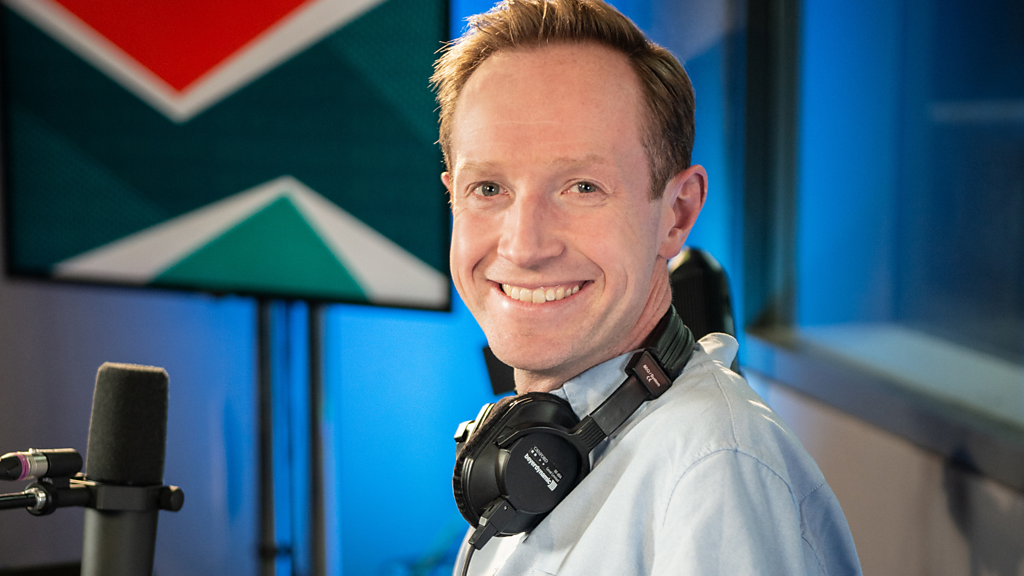
Unlike some public figures, Adam Fleming does not appear obsessed with online attention. However, he maintains a visible social media presence where audiences can engage with his work and personality. His online style reflects his broadcasting approach. It feels professional yet relaxed.
That authenticity matters because modern audiences quickly detect fake personalities online. Fleming avoids trying too hard to appear trendy or controversial. Instead, he focuses on communication and humour. As a result, many followers view him as genuine rather than performative.
Why Audiences Continue to Trust Him
Trust in journalism has become fragile. Many viewers feel overwhelmed by misinformation, sensational headlines and political bias.
So why do people continue trusting Adam Fleming? Partly because he sounds human.
He does not pretend to know everything instantly. He asks questions. He listens carefully. He explains uncertainty when necessary. That honesty creates credibility.
Additionally, his long career demonstrates consistency. From Newsround to Newscast, he has maintained the same thoughtful communication style.
Audiences often value reliability more than drama. Fleming understands that principle very well.
His Influence on Modern BBC Journalism
Adam Fleming represents a newer generation of BBC journalism. He blends traditional reporting standards with modern digital storytelling.
Older broadcasting models focused heavily on authority and distance. Today, audiences often prefer connection and conversation. Fleming bridges those worlds successfully.
He can deliver serious political analysis while still sounding approachable. He can host a major news podcast without losing journalistic credibility. This balance may influence future BBC presenters as journalism continues evolving.
What Aspiring Journalists Can Learn From Him
Young reporters can learn several important lessons from Adam Fleming’s career. First, clarity matters more than showing off knowledge.
Second, adaptability is essential. Fleming moved from children’s television to political reporting to podcasting without losing his identity. Third, audiences appreciate authenticity.
Many media personalities chase attention through controversy. Fleming built his reputation through consistency, professionalism, and communication skills instead. That approach may seem quieter, but it creates lasting trust.
The Human Side of Adam Fleming
Despite his public profile, Adam Fleming keeps much of his personal life private. He rarely turns himself into the story. In today’s celebrity-driven media environment, that choice feels refreshing.
He appears more interested in journalism than fame. That attitude likely strengthens his credibility with audiences.
People often connect with broadcasters who feel grounded and genuine. Fleming fits that description well.
Final Thoughts on Adam Fleming
Adam Fleming’s career tells an important story about modern journalism. Success no longer depends only on reading headlines from a television studio. Journalists must explain complex issues clearly while connecting with audiences across multiple platforms.
Fleming has mastered that challenge. From his early Newsround days to leading one of Britain’s biggest news podcasts, he has remained calm, informative and approachable. His communication style feels modern without sacrificing seriousness.
Perhaps that is why audiences continue returning to him during major political moments. They trust him to explain what matters without unnecessary noise.
If you enjoy reading about media personalities, journalism, and UK current affairs, you can also explore more stories at UKNewsFocus.