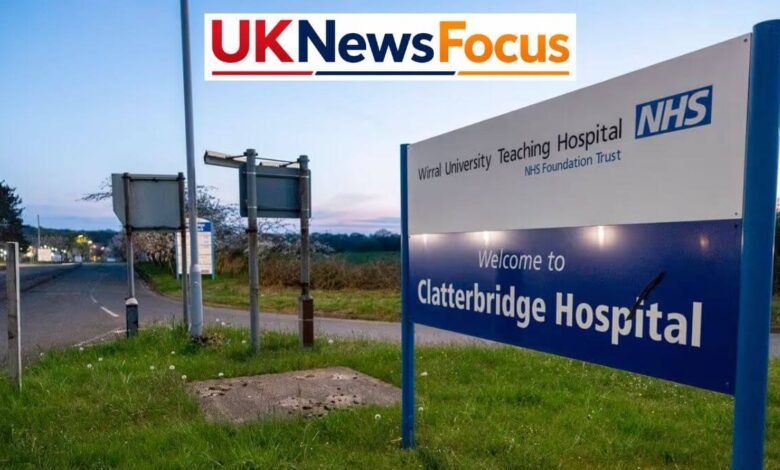
Have you ever walked into a hospital and instantly felt at ease? It does not happen often. Many hospitals feel cold or rushed. Yet some places leave a very different impression. That is exactly why people across Merseyside and beyond continue to talk about Clatterbridge Hospital.
From its long history to its modern patient care, this hospital has built a reputation that stretches far beyond the Wirral. Patients arrive here during some of the hardest moments of their lives. Still, many leave with stories of kindness, support and hope.
So what makes Clatterbridge Hospital special? Why do so many people trust it with their care? Let’s explore the story behind one of the UK’s most respected healthcare institutions.
The History Behind Clatterbridge Hospital
Every hospital has a story. Clatterbridge Hospital’s story reaches back more than a century.
The site originally began as part of a workhouse infirmary in the late 1800s. Over time, it developed into a proper healthcare facility and officially became Clatterbridge General Hospital in 1930. Later, it joined the NHS after 1948 and continued to grow into a major healthcare centre for the region.
The hospital expanded steadily during the twentieth century. New surgical units opened, and specialist services began to appear. One of the most important moments came in 1958 when the Regional Radiotherapy Centre opened on the site. That decision transformed Clatterbridge into a leading name in cancer treatment.
Today, the hospital remains an important part of the healthcare system in Wirral and Merseyside.
A Hospital Known for Cancer Care
When people hear the word “Clatterbridge”, many immediately think about cancer treatment. That reputation did not happen overnight.
The hospital became famous for advanced radiotherapy and oncology services. Over the years, the cancer centre introduced new technologies, new research programmes and more patient-focused treatment methods. Eventually, these services evolved into what is now known as The Clatterbridge Cancer Centre.
One of the most impressive achievements involves proton beam therapy for rare eye cancers. Clatterbridge remains the only centre in the UK offering this specialist treatment. That alone highlights the level of expertise available here.
In recent years, services expanded even further with a modern specialist cancer hospital opening in Liverpool city centre. This brought together inpatient cancer services, diagnostics, chemotherapy and rehabilitation in one advanced facility.
Because of this growth, patients from across the North West continue to rely on Clatterbridge for life-changing care.
Modern Facilities That Support Recovery
Hospitals can feel overwhelming. However, Clatterbridge has worked hard to create an environment that feels calmer and more welcoming.
Modern treatment rooms, advanced imaging services and specialist rehabilitation spaces all play a major role in patient recovery. The newer cancer facilities also include en-suite inpatient rooms, improved outpatient departments, and support areas for families.
Technology has become another important part of patient care. Digital systems help staff coordinate treatment more effectively, while modern medical equipment improves diagnosis and therapy.
Interestingly, the hospital also focused on comfort, not just treatment. Some inpatient facilities include entertainment systems and bedside communication tools designed to improve well-being during long stays. Little details matter more than people often realise.
The Importance of Compassionate Staff
Buildings and technology are important. Yet people usually remember the staff most of all.
Across reviews, community discussions and local conversations, patients often describe Clatterbridge staff as supportive, caring and approachable. Even online discussions from former patients mention the kindness shown by nurses, doctors, and support teams during difficult treatments.
Healthcare professionals at Clatterbridge work in emotionally demanding situations every day. Cancer care, rehabilitation and long-term treatment require patience, empathy and communication. Many families say these qualities make a huge difference.
The hospital also places strong emphasis on dignity and patient involvement. Reports from healthcare inspections noted that patients were generally treated with kindness, respect and compassion.
That human touch often becomes the strongest memory patients carry with them.
Clatterbridge and the Local Community
Hospitals do not operate in isolation. They become part of the communities around them.
Clatterbridge has deep connections with residents, volunteers and charities. One example is the long-running Friends of Clatterbridge charity, which has supported patients and hospital services since the 1950s. Volunteers have helped fund equipment, patient comforts and community projects for decades.
The hospital also became known through community initiatives such as Radio Clatterbridge. Founded in 1951, the station aimed to entertain patients and improve morale during hospital stays. Amazingly, it became one of the oldest hospital radio stations in the world.
These connections create a stronger sense of belonging for patients and families alike.
If you enjoy reading about major UK institutions and healthcare developments, you can also explore UKNewsFocus for more stories and updates from across the country.
Accessibility and Location
Location matters, especially during medical treatment.
Clatterbridge Hospital sits in Bebington on the Wirral peninsula. The site connects well with the surrounding towns and Liverpool city centre. Nearby transport links include roads, bus routes and railway connections, which make travel easier for patients and visitors.
For many families, regular hospital visits can become emotionally and financially draining. Better transport access reduces at least part of that burden.
The hospital also provides maps, parking information and appointment guidance through official NHS resources to help visitors navigate the site more easily.
The Challenges Hospitals Continue to Face
No hospital is perfect. Clatterbridge has also faced challenges over the years.
Care Quality Commission inspections highlighted some concerns involving waiting times, staffing pressures and facility limitations in certain departments. Inspectors also noted issues related to rehabilitation spaces and service coordination in some periods.
However, inspection reports also recognised positive aspects, including infection control, patient safety practices and caring staff.
Like many NHS hospitals, Clatterbridge operates under constant pressure. Rising patient demand, workforce shortages and financial constraints continue to affect healthcare across the UK.
What matters most is how hospitals respond to those pressures. Continuous improvement remains essential.
Research and Innovation at Clatterbridge
One reason Clatterbridge stands out involves its commitment to research and medical innovation.
Cancer treatment changes rapidly. New therapies, new technologies and better diagnostic methods appear every year. Clatterbridge has consistently remained involved in developing and testing modern approaches to care.
Research partnerships with universities and healthcare organisations help bring advanced treatment options closer to patients. This creates opportunities for earlier diagnosis, more targeted therapies and improved outcomes.
Innovation also extends beyond equipment. Home-based treatment programmes became another important development. Suitable patients can now receive some therapies in their own homes, which reduces hospital visits and improves comfort.
That shift represents a major step forward in patient-centred healthcare.
Why Patients Continue to Trust Clatterbridge
Trust cannot be built through marketing alone. It develops over time through real experiences.
Thousands of patients have passed through Clatterbridge Hospital over the decades. Many arrived frightened, uncertain or overwhelmed. Yet countless families continue to speak positively about the care they received.
Part of that trust comes from expertise. Another part comes from communication and emotional support. Patients want to feel heard, understood and respected. Clatterbridge has worked hard to provide that experience.
Its reputation for specialist cancer services also attracts patients who need advanced care options unavailable elsewhere.
In many ways, the hospital has become more than a treatment centre. For some people, it becomes part of their life story.
The Future of Clatterbridge Hospital
Healthcare never stands still. As medicine evolves, hospitals must adapt quickly. Clatterbridge continues to modernise its services while expanding patient care across the region. Investment in digital healthcare research facilities and specialist treatment programmes will likely shape its future for years to come.
The opening of the Liverpool Cancer Hospital marked one of the biggest developments in its history. Still, the Wirral site remains an important healthcare hub with rehabilitation outpatient services and community care continuing on site.
Future healthcare will probably focus even more on personalised medicine, early diagnosis and home-based support. Clatterbridge appears well-positioned to remain part of that transformation.
Final Thoughts
What truly defines a hospital? Is it the technology? The buildings? The medical expertise?
Those things matter, of course. Yet the real answer often comes down to people. Patients remember the nurse who reassured them before surgery. Families remember the doctor who explained difficult news with honesty and compassion.
Clatterbridge Hospital has earned respect because it combines medical progress with human care. Its history reflects decades of growth, resilience, and dedication to patients across the North West.
For many people, Clatterbridge is not simply a hospital. It is a place where hope survives even during the hardest times.