Have you ever walked into a hospital and instantly felt calm? That feeling matters more than many people realise. When people search for treatment, they want more than medical support. They want kindness. They want trust. They want a place that listens. That is where King’s Mill Hospital stands out.
Located in Nottinghamshire, this hospital has built a strong reputation for patient care and modern treatment. Over the years, it has grown into one of the region’s most important healthcare centres. Families across nearby communities rely on it every day. Patients arrive with worries and leave feeling supported by teams who genuinely care.
Many hospitals focus only on treatment. King’s Mill Hospital focuses on people too. If you follow healthcare updates on UKNewsFocus, you may already know how NHS hospitals continue adapting to meet modern healthcare challenges. King’s Mill Hospital offers a strong example of how innovation and compassion can work together.
The History Behind King’s Mill Hospital
Every hospital has a story. King’s Mill Hospital has one shaped by decades of change and service.
The hospital first opened during the Second World War. At the time, it served military needs and helped injured personnel recover. Later, the site evolved into a public hospital that supported local communities throughout Nottinghamshire and nearby regions.
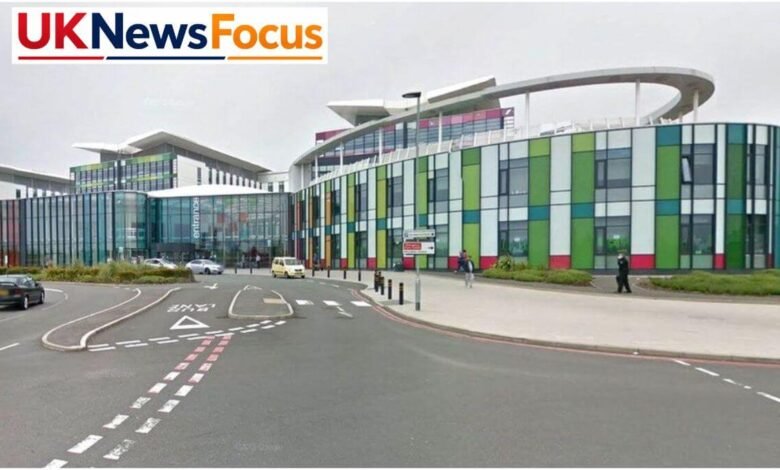
As healthcare changed, the hospital continued growing. New buildings appeared. Advanced facilities replaced older structures. Fresh investment helped improve patient care and increase treatment capacity. One of the largest developments arrived in 2011 when a major modernisation project transformed much of the hospital site.
Today the hospital looks very different from its early days. Yet its purpose remains the same. It still exists to help people through difficult moments in life.
A Modern Hospital With a Human Touch
Technology matters in healthcare. However, people never forget how staff made them feel.
King’s Mill Hospital combines both strengths. The site includes modern medical equipment alongside welcoming patient spaces. The hospital also serves as part of the Sherwood Forest Hospitals NHS Foundation Trust. It provides emergency services, maternity care clinics, inpatient treatment and specialist support across several departments.
Visitors often notice how organised the hospital feels. Signposting helps patients move around more easily. Volunteers support visitors who feel unsure where to go. Reception teams answer questions with patience rather than rushing people through the process.
Small things make a huge difference inside hospitals. A smile from a nurse can calm anxiety. A doctor who listens carefully can reduce fear. King’s Mill Hospital appears to understand that deeply.
Emergency Care That Supports the Community
Emergencies happen without warning. That is why reliable urgent care matters so much.
The emergency department at King’s Mill Hospital handles thousands of patients each year. Staff work under pressure while still trying to maintain high standards of care. Reports from healthcare inspectors have praised improvements in waiting times and patient support within urgent care services.
Strong triage systems help staff identify urgent cases quickly. Patients with severe conditions receive fast attention while less critical cases move through appropriate care pathways. This approach improves safety and helps departments run more efficiently.
Behind every emergency department, there are countless unseen moments. Nurses comfort worried relatives. Doctors make difficult decisions in seconds. Support staff keep everything moving. Patients may only see a small part of that effort, yet it happens every day.
Maternity Services That Welcome New Life
Few hospital moments are more emotional than childbirth.
King’s Mill Hospital offers maternity services that support families throughout pregnancy, birth and postnatal care. Expectant parents can access different birth options depending on their needs and medical circumstances.
Midwives guide parents through each stage with care and reassurance. Specialist teams support higher-risk pregnancies while birthing units create a calmer environment for straightforward deliveries.
For many families, the hospital becomes part of their personal story forever. First cries. First photographs. First moments of holding a newborn child. Hospitals witness life-changing memories every single day.
That emotional connection explains why maternity care remains one of the most important services within the NHS.
Advanced Medical Technology Improving Treatment
Healthcare never stands still. Hospitals must continue adapting as medicine evolves.
King’s Mill Hospital has invested in advanced imaging and diagnostic technology to improve patient care. Modern MRI systems help staff examine neurological, orthopaedic, and other medical conditions with greater precision.
Better technology often means faster diagnoses and more effective treatment plans. Patients benefit because doctors gain clearer information before making important decisions.
At the same time, technology alone cannot solve every challenge. Skilled professionals still interpret results, communicate with patients and guide treatment choices. Machines support healthcare teams, but people remain at the centre of care.
This balance between innovation and human expertise continues shaping the future of modern hospitals.
Inspection Ratings and Patient Confidence
Trust plays a huge role in healthcare decisions.
People want reassurance before entering a hospital. Inspection reports often provide that confidence. King’s Mill Hospital has received strong ratings in several healthcare areas, including emergency services, surgery, critical care and children’s services.
Inspectors highlighted positive teamwork, compassionate staff and improvements in patient safety. Reports also noted how staff respected patient dignity while providing emotional support to families.
No hospital operates all the time perfectly. Healthcare systems face pressure daily. However strong, inspection feedback shows ongoing efforts to improve standards and patient experiences.
Patients remember how hospitals respond during vulnerable moments. Compassion often leaves a stronger impression than clinical statistics.
Supporting Patients Beyond the Hospital Bed
Treatment does not always end after discharge.
King’s Mill Hospital has introduced services designed to help patients recover more comfortably at home. One example includes outpatient antibiotic therapy, which allows some individuals to continue receiving treatment without staying in hospital for extended periods.
This approach benefits both patients and healthcare systems. Patients recover in familiar surroundings while hospitals free up beds for people needing urgent care.
Healthcare today increasingly focuses on flexibility. Hospitals no longer only treat patients inside wards. Many services now aim to reduce unnecessary hospital stays whenever safe and possible.
That shift improves patient wellbeing while also helping NHS resources stretch further.
Facilities That Make Visits Easier
Hospital visits can feel stressful even before appointments begin.
Thankfully, King’s Mill Hospital offers several facilities designed to make experiences smoother for patients and visitors. Shops, cafés, restaurants and parking services help people manage longer visits more comfortably. Free WiFi and transport links also improve convenience.
Simple comforts matter during difficult days. A cup of coffee while waiting for news can provide relief. Clear transport access reduces anxiety for elderly visitors. Helpful volunteers can turn confusion into reassurance.
Hospitals often focus heavily on treatment, yet visitor experiences matter too. Friends and family form part of the recovery process for many patients.
The Role of Staff in Everyday Success
Buildings and equipment alone cannot create a successful hospital. People create that success.
Doctors, nurses, healthcare assistants, cleaners, receptionists, therapists and support teams all contribute to the patient experience. Hospitals operate through teamwork from morning until night.
Inspection reports repeatedly praised staff attitudes at King’s Mill Hospital. Patients described compassionate treatment while inspectors highlighted strong leadership and collaboration.
Healthcare work can be emotionally exhausting. Staff witness pain, grief, fear and uncertainty every day. Despite that, many continue showing kindness during difficult shifts. That dedication deserves recognition.
If you enjoy reading about public services and community healthcare developments, you can also explore more stories through UKNewsFocus for wider coverage and updates.
Why Local Hospitals Still Matter
In today’s digital world, people can easily forget how important local hospitals remain.
When emergencies happen, nobody wants to travel hours for treatment. Communities need accessible healthcare close to home. King’s Mill Hospital fills that role for thousands of residents across Nottinghamshire, Derbyshire and nearby areas.
Local hospitals also create a sense of reassurance. People know support exists nearby if something goes wrong. Families rely on these services across generations.
Children are born there. Injuries are treated there. Elderly patients receive care there. Communities grow around hospitals in ways many people never fully notice until they personally need help. That connection between hospitals and communities remains deeply important.
Looking Ahead to the Future
Healthcare challenges continue growing across the UK. Hospitals face rising demand, staffing pressures and changing patient expectations. Yet many organisations continue searching for better solutions through innovation, training and patient-focused care.
King’s Mill Hospital appears committed to that progress. Continued investment in services, facilities and technology suggests the hospital wants to meet future healthcare demands while maintaining strong patient support.
The future of healthcare will likely involve more digital tools, greater outpatient treatment and improved collaboration between hospitals and community services. However, one thing should never change.
Patients still need compassion. No matter how advanced medicine becomes, people will always remember how they were treated during vulnerable moments.
Final Thoughts
King’s Mill Hospital represents more than a healthcare building. It represents trust, support and community care.
From emergency treatment to maternity services, the hospital touches countless lives every year. Patients arrive during stressful moments and depend on staff to guide them through uncertainty. That responsibility carries enormous weight.
Thankfully, many reports and patient experiences suggest King’s Mill Hospital continues working hard to provide high standards of care while treating people with dignity and compassion.
Hospitals rarely receive praise when everything runs smoothly. People often only notice them during personal emergencies. Yet behind the scenes, healthcare teams continue showing up every day ready to help strangers.
That commitment deserves appreciation. And perhaps that is the real story behind King’s Mill Hospital.