Have you ever wondered what makes a hospital more than just a building? Is it the doctors and nurses? Is it the technology? Or is it the feeling that help is available when people need it most?
For many people in Cheshire and nearby communities, the answer points toward Leighton Hospital. Hospitals often become part of everyday life without many of us noticing. Families arrive there during joyful moments such as childbirth. Others walk through its doors during stressful times when they need urgent care. Over the years, these places have become part of local history and personal stories.
Leighton Hospital stands as one of those important places. It has served patients for decades and continues to play a major role in healthcare across the region. While many people know its name, not everyone knows the journey behind it or the changes it continues to experience today. The hospital serves a wide range of patients and provides many specialist services under one roof.
The Beginning of Leighton Hospital
Leighton Hospital first opened its doors in 1972. The hospital was built to replace several smaller medical facilities in the surrounding area. This change created a more central healthcare location that could offer broader medical support to local communities.
At the time, healthcare looked very different from today. Medical technology was less advanced, and many treatments that people now consider routine were still developing. Even so, the hospital quickly became an important healthcare centre.
As the population continued to grow, the hospital also evolved. New departments appeared, and healthcare teams expanded. Over time, Leighton Hospital moved beyond its original purpose and developed into a key regional medical facility.
A Hospital That Serves More Than One Community
Many people assume hospitals only serve the towns where they are located. In reality, hospitals often support much larger areas.
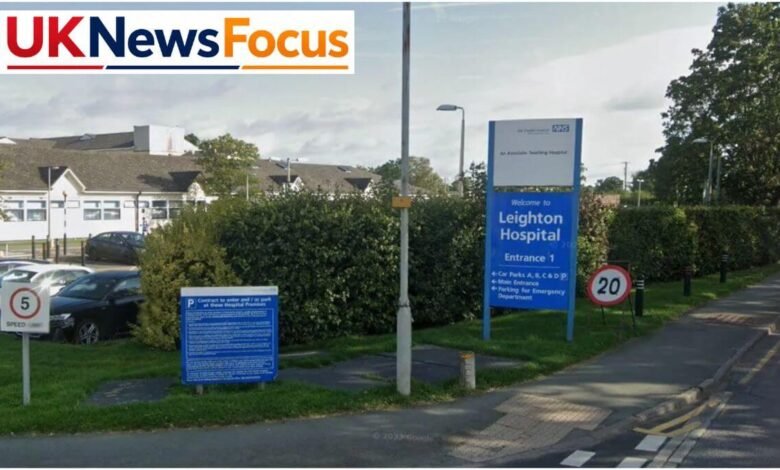
Leighton Hospital sits near Crewe in Cheshire and provides healthcare for patients from nearby towns and communities as well. People from different backgrounds and age groups rely on the hospital every day.
This broad reach means healthcare staff face a wide range of medical situations. One patient may arrive with a broken bone while another may require specialist care for long-term health conditions.
That variety creates a demanding environment, yet it also allows staff members to build extensive experience.
Services That Support Patients Every Day
Hospitals are like small cities. Behind the scenes, hundreds of different jobs keep everything moving.
Leighton Hospital offers numerous medical departments and specialist services. These include emergency care, maternity support, cardiology, orthopaedics, intensive care and various surgical departments. Patients can also access diagnostic services and specialist treatment pathways.
Emergency departments often receive the most public attention. People think of ambulances and urgent medical situations. Yet hospitals provide far more than emergency support.
Maternity units welcome new life into the world. Rehabilitation teams help people regain independence. Outpatient clinics support people who require ongoing care without staying overnight.
Each department contributes to a much larger picture.
The Human Side of Hospital Care
Medical equipment and modern buildings matter. However, people often remember something much simpler. They remember kindness.
Patients may forget technical language or treatment details, but they often remember the nurse who stayed a few extra minutes to explain something clearly. They remember doctors who listened carefully and support workers who made difficult days easier.
Healthcare professionals work under pressure every day. They handle emotional situations and make important decisions quickly. Despite that, many still create meaningful moments for patients.
Online discussions from healthcare trainees and former staff have described Leighton Hospital as a place with supportive teams and positive learning environments despite challenges linked to workload and location. Community experiences can vary, but several discussions highlight strong educational support and a friendly staff culture.
Those personal experiences often shape how people view hospitals long after treatment ends.
How Hospitals Continue to Adapt
Healthcare never stands still. New treatments appear. Patient expectations change. Technology improves. Hospitals must adapt constantly.
Leighton Hospital has experienced many changes throughout its history. Departments have evolved, and medical practices continue to develop. Digital systems now support tasks that once required large amounts of paperwork.
Modern healthcare increasingly focuses on patient experience alongside treatment outcomes. Hospitals aim to provide safer care while improving communication and efficiency.
This process never truly ends because healthcare itself keeps moving forward.
Challenges Facing Leighton Hospital
Every large hospital faces challenges, and Leighton Hospital is no exception.
One issue that received significant attention involved reinforced autoclaved aerated concrete known as RAAC. Parts of the hospital were originally built using this material, which later raised concerns across several UK public buildings.
Safety assessments and ongoing maintenance programmes have taken place to manage risks while longer-term redevelopment plans continue. Significant investment has supported inspection and repair work.
For many people, this situation highlighted a larger issue facing healthcare infrastructure throughout the UK. Hospitals built decades ago often require extensive upgrades to meet modern needs.
Even so, healthcare services continue operating while these long-term plans move ahead.
Looking Toward the Future
What does the future look like for Leighton Hospital? The answer involves much more than bricks and construction projects.
Plans surrounding redevelopment and rebuilding efforts aim to create facilities designed around future healthcare needs. New medical spaces can improve patient flow and create environments better suited for modern technology and treatments.
The goal goes beyond creating a new building. Healthcare leaders increasingly focus on creating patient-centred environments where people feel supported throughout their care journey.
Future hospitals may look very different from those built decades ago.
Why Local Hospitals Matter More Than We Realise
People often think about hospitals only when they need them. Then suddenly they become extremely important.
A local hospital can affect families in ways people rarely predict. It can provide emergency care during accidents. It can support someone through illness. It can welcome newborn children into the world.
Hospitals also create employment opportunities and contribute to local communities in many ways.
Leighton Hospital has played that role for many years. It has become woven into everyday life for many people across Cheshire and the surrounding areas.
That connection extends far beyond healthcare statistics.
Public Opinion and Community Voices
Every hospital receives a mix of praise and criticism because experiences naturally differ from person to person.
Community discussions online reveal varied perspectives regarding Leighton Hospital. Some healthcare workers and trainees describe supportive teams and educational opportunities. Others mention concerns about commuting or infrastructure challenges.
This range of opinions reflects something important. Hospitals are complex places. Thousands of interactions happen every week. No two patient journeys look the same.
Still, many people continue to rely on the hospital because healthcare remains an essential part of community life.
Staying Connected With Healthcare News
Healthcare stories continue to evolve every year. Hospital developments, patient services and medical updates often affect communities directly.
Readers who want broader healthcare and UK developments can follow UKNewsFocus for ongoing coverage and related stories.
Final Thoughts on Leighton Hospital
What makes a hospital memorable? Some people might answer with advanced technology. Others may think about specialist services or impressive facilities. Yet many people remember something simpler. They remember the people’s services.
Leighton Hospital has served communities for more than five decades. It has adapted to changing healthcare demands and faced challenges while continuing to support patients across the region. From emergency treatment to maternity services, its role reaches far beyond its walls.
As healthcare continues to change, one thing remains clear. Hospitals are not only places where treatment happens. They are places where stories begin.