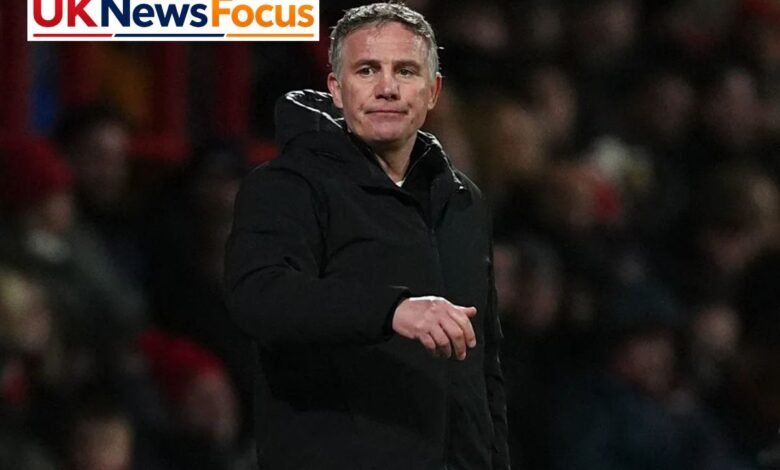
What separates a good football manager from a truly dependable one? Is it trophies? Big-money signings? Or could it be the ability to guide teams through pressure-filled seasons without losing focus?
Phil Parkinson has spent years proving that success in football is not always loud or glamorous. While some managers chase headlines and attention, Parkinson has built his reputation through commitment, discipline and steady leadership. His career tells the story of a man who understands football at every level.
From lower league battles to memorable cup runs, he has consistently found ways to inspire players and rebuild confidence inside struggling clubs. Fans may not always describe him as flashy. However, they often describe him as reliable, honest and hard-working.
That combination has helped Phil Parkinson remain one of the most respected managers in English football.
A Football Journey Built on Hard Work
Before stepping into management, Phil Parkinson spent years as a professional footballer. He played as a midfielder and developed a reputation for being dependable on the pitch.
Unlike naturally gifted superstars who relied on flair, Parkinson built his game around intelligence and effort. He understood positioning, teamwork and discipline. Those qualities later became central to his coaching style.
During his playing career, he represented clubs like Reading and Bury. Teammates respected his leadership qualities and calm personality. Even then, many people believed he would eventually move into management.
Football management can be unpredictable. Still, Parkinson looked perfectly suited for the role long before he entered the dugout.
The Beginning of Phil Parkinson’s Managerial Career
Every manager needs a starting point, and Phil Parkinson found his opportunity with Colchester United in 2003.
At the time, the club lacked major financial power. Expectations remained fairly modest. Yet Parkinson quickly introduced structure and belief into the squad.
Players responded to his clear communication and disciplined approach. Gradually, the team improved, and confidence grew stronger throughout the club.
The breakthrough moment arrived during the 2005–06 season when Colchester earned promotion from League One. It was a huge achievement for a club competing against teams with larger budgets and bigger fanbases.
That success placed Parkinson firmly on the football map.
People began to recognise him as a manager capable of maximising limited resources while creating competitive teams.
Why Players Respect Phil Parkinson
Some football managers rule through fear. Others focus on motivation and trust. Phil Parkinson has often balanced both approaches successfully.
Players who worked under him frequently speak about his honesty. He expects discipline and hard work from every member of the squad. At the same time, he supports players who fully commit to the team.
This balance creates strong dressing room unity.
Parkinson also understands that football is not only about tactics. Confidence and mentality matter just as much. His teams often show resilience during difficult matches because he prepares players mentally as well as physically.
That emotional strength has become one of the trademarks of his managerial career.
A Difficult Spell at Charlton Athletic
Following his impressive work at Colchester United, Parkinson accepted the challenge of managing Charlton Athletic in 2008.
The move brought greater pressure and higher expectations. Charlton hoped to push back toward the Championship and eventually return to stronger days.
Unfortunately, football rarely follows perfect scripts.
Results became inconsistent, and the club struggled to maintain momentum. Despite Parkinson’s efforts, the project failed to fully develop. Eventually, he left the club after a difficult period.
Still, setbacks are common in football management. Many successful coaches experience disappointing chapters before finding success again.
What matters most is the response afterwards.
Instead of allowing failure to define him, Parkinson continued working and refining his methods. That determination soon paid off.
Bradford City and a Remarkable Football Story
Few football fans will forget Phil Parkinson’s unforgettable time at Bradford City.
When he arrived at the club in 2011, Bradford needed stability. Financial concerns and poor performances had damaged confidence within the team. Parkinson stepped into a challenging environment and slowly rebuilt belief.
Then came one of the most surprising cup runs in modern English football.
During the 2012–13 season, Bradford City reached the League Cup final despite playing in League Two. The achievement shocked supporters across the country.
Parkinson guided his team past several Premier League clubs, including Arsenal and Aston Villa. Bradford’s players showed courage, organisation and determination throughout the competition.
The club’s run to Wembley captured national attention because fans love underdog stories. Even neutral supporters admired the spirit inside Parkinson’s squad.
Although Bradford lost the final to Swansea City, the journey itself became legendary.
At the same time, the club also secured promotion through the playoffs. It turned into one of the greatest seasons in Bradford City history.
Phil Parkinson’s Ability to Build Team Spirit
One reason Phil Parkinson succeeds at different clubs is his focus on togetherness.
He rarely depends on individual stars. Instead, he builds teams where every player understands their role.
This approach often creates strong chemistry inside the squad. Players fight for one another and remain organised even during difficult moments.
Supporters appreciate this mentality because effort matters deeply in football culture. Fans understand that smaller clubs cannot always compete financially with bigger rivals. However, they still expect commitment and passion.
Parkinson consistently delivers those qualities.
His teams may not always play flashy football. Yet they usually compete with discipline and determination.
That fighting spirit has helped him earn lasting respect from many supporters.
Success During Difficult Times at Bolton Wanderers
After leaving Bradford City, Parkinson accepted another major challenge when he joined Bolton Wanderers in 2016.
The club faced serious financial uncertainty at the time. Off-field problems created tension and instability throughout the organisation.
Many managers would have struggled in those conditions. Parkinson, however, remained calm and focused on football.
In his first season, Bolton achieved automatic promotion to the Championship. The success highlighted Parkinson’s ability to keep players concentrated despite constant distractions surrounding the club.
Managing under financial pressure requires patience and emotional control. Parkinson demonstrated both qualities throughout his time at Bolton.
Players trusted his leadership because he maintained stability during uncertain moments.
That experience strengthened his reputation even further.
Understanding Phil Parkinson’s Football Philosophy
What exactly defines Phil Parkinson as a manager?
First, he values organisation. His teams are usually difficult to break down defensively because players understand their responsibilities clearly.
Second, he believes strongly in mentality. Parkinson often emphasises hard work, character and focus. He wants players who remain disciplined under pressure.
Third, he prioritises teamwork over individual fame.
This philosophy may not always attract headlines from the football media. However, it produces consistency, which is essential in long league campaigns.
Many clubs hire Parkinson because they know he can create structure and improve professionalism inside the squad.
In modern football, where managers face constant pressure, reliability remains extremely valuable.
For readers who enjoy detailed football coverage and club stories, platforms like UKNewsFocus also continue highlighting important developments from across the sporting world.
Phil Parkinson’s New Chapter at Wrexham
One of the most fascinating parts of Parkinson’s career began when he joined Wrexham in 2021.
The club had suddenly become internationally famous after actors Ryan Reynolds and Rob McElhenney purchased the team. Media attention exploded almost overnight.
With popularity came pressure.
Supporters expected promotion and major progress immediately. Despite the growing spotlight, Parkinson stayed composed and focused on the basics.
He understood that football success still depended on discipline, teamwork and consistency.
Under his leadership, Wrexham finally earned promotion back to the Football League in 2023 after years outside the professional divisions.
The achievement meant everything to loyal supporters who had waited patiently for better days.
Parkinson handled the pressure impressively. While cameras and documentaries followed the club, he kept players focused on results.
That calm leadership became essential during the intense promotion race.
Handling Pressure in Modern Football
Football management has changed dramatically over the years.
Social media now increases criticism after every result. Fans react instantly, and pressure builds quickly. Many managers struggle to survive in such demanding conditions.
Phil Parkinson, however, has spent decades working through difficult situations.
He has managed clubs dealing with financial issues, relegation fears and promotion battles. Through all of it, he has remained measured and professional.
That emotional control separates experienced managers from inexperienced ones.
Rather than panicking after setbacks, Parkinson usually focuses on long-term improvement. Players often respond positively because they trust his steady approach.
In football, stability can become incredibly valuable.
Lessons Beyond Football
Phil Parkinson’s story offers lessons that extend beyond sport.
One important lesson involves persistence. His career has included setbacks and criticism. Still, he continued improving and searching for new opportunities.
Another lesson centres on leadership.
Parkinson proves that leaders do not always need huge personalities or dramatic speeches. Quiet confidence and consistent behaviour can inspire people just as effectively.
Finally, his journey highlights the importance of teamwork.
Again and again, his clubs succeeded because players trusted one another and worked toward shared goals.
Those ideas apply in business education and everyday life as much as they apply in football.
The Lasting Impact of Phil Parkinson
Phil Parkinson may never become the most famous manager in world football. Yet fame alone does not define success.
Across different clubs, he has rebuilt confidence, guided teams to promotion and created unforgettable memories for supporters. More importantly, he has earned respect through honesty and dedication.
That reputation matters deeply in football.
Fans remember managers who genuinely care about their clubs. They remember leaders who remain calm during difficult moments and continue fighting for improvement.
Parkinson’s career reflects those values perfectly.
In a sport filled with noise and constant change, he represents something steady and dependable. His journey reminds football supporters that hard work, patience and resilience still matter.
That is why Phil Parkinson continues to stand out in English football today.